Imagine a world without pain management medications, breastmilk alternatives, or a treatment for malaria. Imagine being unsure if the medicine you received at one pharmacy was the same as the medicine from another pharmacy just twenty miles away.
This would be the reality of care in America without pharmacies or the contributions of pharmacists. As we celebrate National Pharmacists Month, we wanted to highlight the contributions of pharmacists to our communities, our healthcare system, and medicinal care we all rely on.
From soda fountain culture to standardized prescriptions to life-saving medications, here are just a few of the contributions of pharmacists from the U.S. and abroad.
Pharmacies have played an important role in their communities ever since the late 1800s when Americans would visit their local pharmacy to enjoy soda fountains.
By 1930, the role of pharmacies had evolved, with people visiting to have a beverage, fill a prescription, buy household necessities, eat lunch, or meet a friend. The Digital Public Library of America describes drugstores as destinations for first dates, family outings, and cold treats on summer days, making many pharmacies the social centers of their communities.
The world's most famous soft drink came from one of these counters as well. In May 1886, Atlanta pharmacist John Pemberton carried a jug of syrup to Jacobs' Pharmacy, where it sold for five cents a glass. This drink, known as Coca Cola, averaged about nine drinks a day that first year.
Independent pharmacists did a lot more than pour sodas. They delivered prescriptions to people who were homebound. They filled prescriptions on credit. They pulled splinters and gave advice in communities where doctors were few and far between.
That instinct is still alive. After Hurricane Helene, the National Community Pharmacists Association (NCPA) Foundation funded generators for nine independent pharmacies in Western North Carolina so they could keep serving their neighbors.
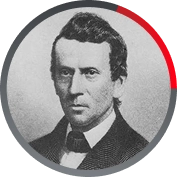
While the first American pharmacy opened in 1729 in Philadelphia, the concept of a modern pharmacy really began with William Procter Jr. who helped found the American Pharmacists Association (APhA) in 1852. At the time, there was little consistency or standards across pharmacies and a real need for standardization, training, and medical literature.
One of APhA’s most important achievements was the establishment of strict inspection standards at ports of entry to ensure only high-quality medicine entered the country. The association also pushed for states to recognize formal college training, driving the growth of pharmacy schools to over fifty institutions by 1900.
Proctor himself wrote and edited the first pharmacy textbook Practical Pharmacy and contributed to the United States Pharmacopeia (USP), the reference that defines what a medicine should contain. The USP helps ensure that the medicine you get from your pharmacists is the same no matter what counter you visit.
The greatest contribution of pharmacies and pharmacists are the many medicines that we know and still use today.
In the early 1800s, the German pharmacist Friedrich Sertürner isolated morphine from opium. Raw opium varied substantially in strength, making its effects difficult to predict. By isolating its active alkaloid, Sertürner helped make more consistent dosing possible and launched a new era of alkaloid chemistry.
French pharmacists Pierre-Joseph Pelletier and Joseph-Bienaimé Caventou applied similar methods to cinchona bark. In 1820, they isolated quinine, the compound used to treat malaria. Their work made it possible to study, measure, and administer the drug more consistently.
More than a century later, Stewart Adams, a pharmacist and researcher at Boots, joined chemist John Nicholson in searching for an alternative to aspirin and corticosteroids for rheumatoid arthritis. Their research produced ibuprofen, which was launched as a prescription treatment in the United Kingdom and later became one of the world’s most widely used over-the-counter pain relievers.
Pharmacy-trained innovators also addressed needs far beyond the dispensary. In the 1860s, Henri Nestlé, who had trained as a pharmacist’s assistant, developed Farine Lactée, a mixture made with cow’s milk, wheat flour, and sugar. The product was created as an alternative when infants could not be breastfed and became an early commercial infant food.
These discoveries also shared an important principle: medicine becomes more valuable and powerful when it can be tested, standardized, and made available in a consistent form. That principle still drives pharmacy practice today.
For nearly three centuries, pharmacists have helped shape healthcare as we know it. From turning neighborhood drugstores into community gathering places to advancing medication standards and developing treatments that have improved millions of lives, their impact reaches far beyond the prescription counter.
This National Pharmacists Month, it's worth taking a moment to recognize the profession's legacy and the pharmacists who continue to serve as some of healthcare's most trusted and accessible providers.